

.jpg)
How Can Orthodontic Treatment Help with Sleep Apnea?
Sleep apnea affects more than just your rest; it impacts your jaw positioning, airway structure, and overall health in ways many people are unaware of. When traditional CPAP therapy feels overwhelming or uncomfortable, orthodontic solutions can offer a gentler path to better breathing and deeper sleep.
At Springcrest Dental Associates, we've witnessed remarkable transformations when patients address the structural root causes of their sleep breathing issues through targeted orthodontic care.
Quick Takeaways
- Airway connection: Orthodontic treatments can expand your upper airway and improve breathing during sleep
- Multiple options: From palatal expanders to mandibular advancement devices, several orthodontic solutions target sleep apnea
- CPAP alternative: Some patients find orthodontic appliances more comfortable than traditional CPAP machines
- Early intervention: Addressing airway issues during orthodontic treatment can prevent sleep problems from worsening
Understanding the Airway-Sleep Connection
Your mouth, jaw, and airway function as one interconnected system. When you sleep, throat muscles naturally relax; if your airway is already narrow due to jaw positioning or tooth crowding, this relaxation can cause partial or complete blockages that trigger obstructive sleep apnea.
Think of your airway like a garden hose. When the hose stays wide open, water flows freely. But if something pinches or narrows the passage, flow becomes restricted. Orthodontic treatments can help "widen the hose" by repositioning your jaw, expanding your palate, or creating more space for your tongue.
Orthodontic Treatment Options for Sleep Apnea
Rapid Palatal Expansion
Rapid palatal expansion involves gradually widening your upper jaw using a specialized appliance. This treatment doesn't just create more room for crowded teeth; it also increases the width of your nasal passages and upper airway. Many patients notice they can breathe more easily through their nose within weeks of starting treatment.
Mandibular Advancement Devices
These custom-made oral appliances gently hold your lower jaw in a slightly forward position while you sleep. By advancing your jaw, the device pulls your tongue forward and opens up space behind it—exactly where many airway obstructions occur during sleep apnea episodes.
Unlike one-size-fits-all solutions, professional mandibular advancement devices are precisely calibrated to your bite and airway needs. Many patients find these appliances much more convenient than CPAP machines for travel or daily use.
Comprehensive Orthodontic Treatment
Sometimes, addressing sleep apnea requires a broader orthodontic approach. Invisalign treatment or other comprehensive orthodontic solutions can reposition teeth and jaws to optimize your entire airway space.
Orthodontic Appliances vs. CPAP Therapy
CPAP machines remain the gold standard for treating moderate to severe sleep apnea, but they're not right for everyone. Orthodontic appliances offer several distinct advantages:
- Portability: Oral appliances are compact and travel-friendly, requiring no electricity
- Silence: Unlike CPAP machines, orthodontic devices operate completely silently
- Comfort: Many patients find oral appliances less claustrophobic and easier to tolerate long-term
- Low maintenance: Simple cleaning routine compared to CPAP equipment care
However, orthodontic treatments work differently than CPAP therapy. While CPAP forces air through obstructed passages, orthodontic solutions aim to eliminate the obstruction itself by repositioning the structures that create it.
Why Early Intervention Matters
Sleep apnea tends to worsen over time if left untreated. The repeated episodes of oxygen deprivation create a cascade of health problems including high blood pressure, heart disease, diabetes, and cognitive decline.
When we identify airway issues during routine oral health screenings, we're potentially preventing years of health complications. For children and teenagers, guided growth and development treatments can address airway restrictions while the jaw bones are still developing.
What to Expect During Treatment
The journey typically begins with a comprehensive evaluation that goes beyond traditional dental concerns:
- Initial Assessment: We evaluate your jaw relationship, airway space, and breathing patterns
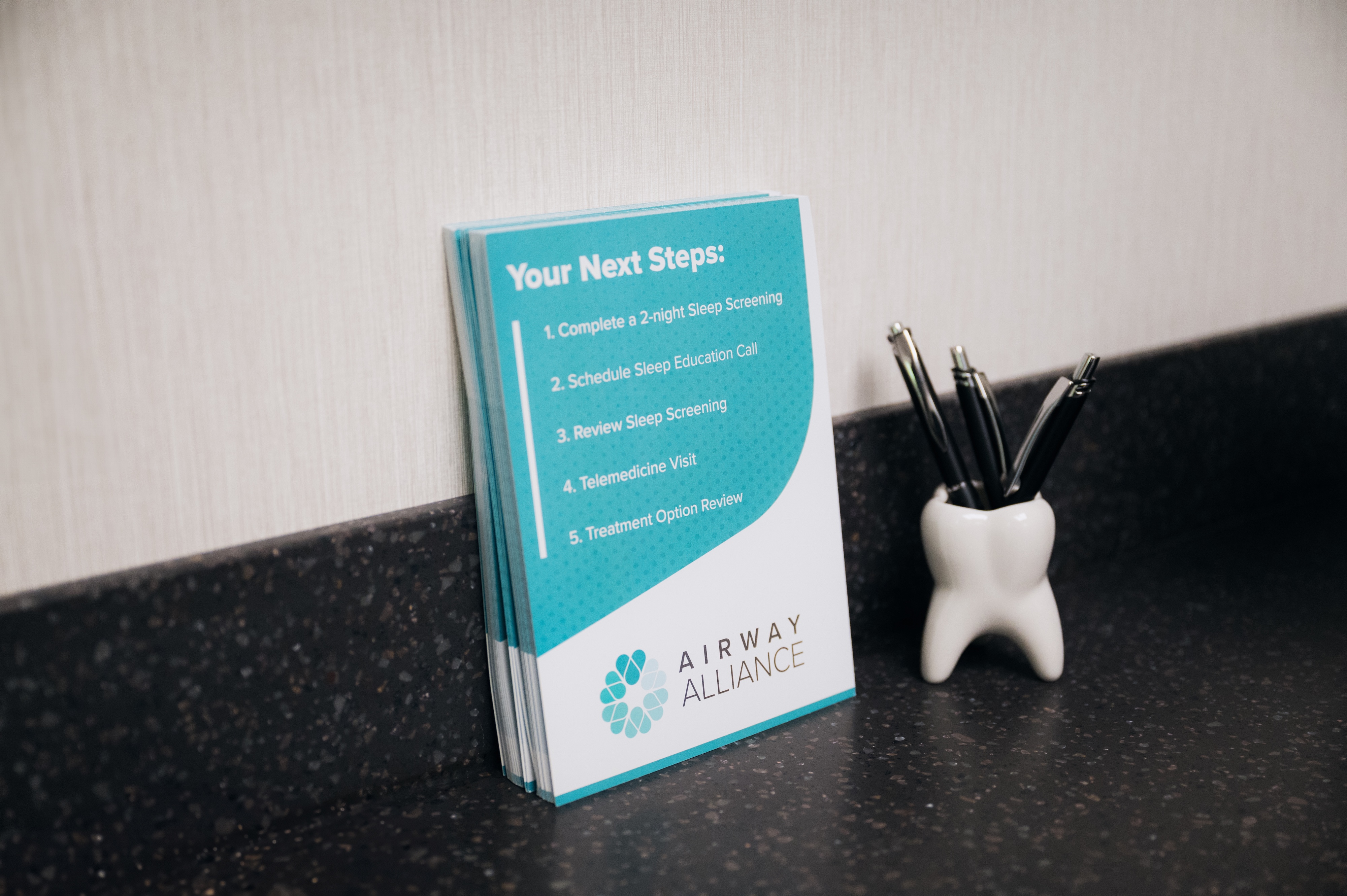
- Sleep Study Coordination: If needed, we'll help arrange sleep testing to establish baseline measurements
- Treatment Planning: Based on your anatomy and sleep study results, we design a customized approach
- Appliance Fitting: We ensure proper fit and comfort for your specific treatment
- Monitoring: Regular follow-ups allow us to fine-tune treatment and track improvements
Comprehensive Treatment Approach
The most effective approach often involves multiple strategies. Patients with gum disease might need periodontal therapy before starting orthodontic treatment. Long-term maintenance might require wearing a nightguard or retainer to maintain results.
Taking the Next Step
Sleep apnea doesn't have to control your life. If you've been struggling with traditional CPAP therapy or wondering about alternatives, orthodontic treatment might offer the solution you've been seeking.
At Springcrest Dental Associates, we take a comprehensive approach to every patient's health. Dr. Rutledge's extensive training with the Vivos Institute and membership in the American Academy of Dental Sleep Medicine means you're getting expert care.
Contact our Jackson office today to schedule a consultation and learn more about our comprehensive approach to airway-focused dental care.
follow us on instagram
we can't wait to meet you
Call 517-787-2226 or request an appointment online to set up your first visit. We’ll be in touch soon.